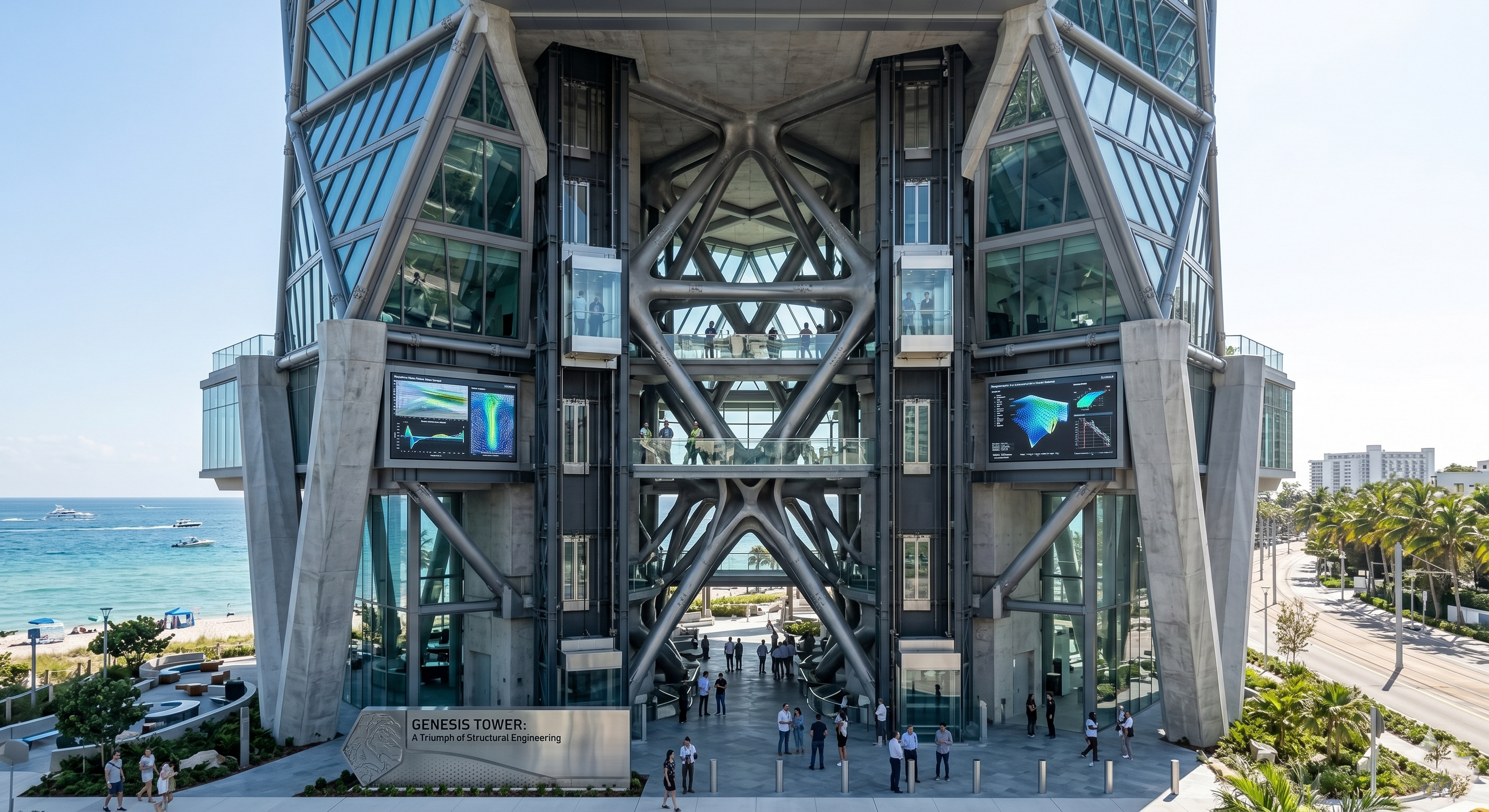
The Future of Structural Engineering in Modern Construction
Structural engineering is rapidly evolving through the integration of AI-driven analysis, BIM technology, advanced materials, and intelligent construction systems. Discover how modern engineers are designing safer, stronger, and more efficient structures capable of meeting the demands of future urban development and infrastructure growth.
Read Featured Article →
What Does a Structural Engineer Actually Do?
Structural engineers design and evaluate buildings to ensure safety, stability, and long-term performance. Learn how engineering principles shape the structures people rely on every day.
Read Article →
Steel vs Concrete Structures: Pros, Cons & Applications
Explore the advantages and limitations of modern steel and reinforced concrete systems used across residential, commercial, and industrial construction projects.
Read Article →
Modern Earthquake Resistant Building Techniques
Earthquake-resistant building techniques have evolved significantly from ancient practices to sophisticated modern engineering rooted in lessons from devastating quakes. Explore the philosophies, technologies, and applications driving sustainable seismic resilience.
Read Article →
Modular Systems Structures: Pros, Cons & Applications
Modular systems in construction involve prefabricating building sections in a controlled factory environment. Learn why this approach is gaining immense traction in modern construction for its efficiency, predictability, and environmental sustainability.
Read Article →
How Artificial Intelligence Is Transforming Structural Engineering
AI-powered analysis and automation are changing how engineers design structures, optimize materials, and improve construction efficiency across the industry.
Read Article →
Cargotecture – Engineering Shipping Container Structures
Shipping containers, originally designed for intermodal transport of goods across oceans, rails, and roads, have found a second life in modern construction.
Read Article →
Cold-Formed Steel in Modern Construction: Strength, Sustainability & Versatility
Cold-formed steel (CFS), also known as light-gauge steel or light steel framing, is produced by shaping thin sheets of steel at room temperature through roll-forming or pressing processes, without the application of heat.
Read Article →
Mass Timber Structures: Pros, Cons & Applications
Mass timber refers to a category of engineered wood products, such as cross-laminated timber (CLT), glue-laminated timber (glulam), nail-laminated timber (NLT), and others, created by layering and bonding wood to form large, strong structural elements.
Read Article →